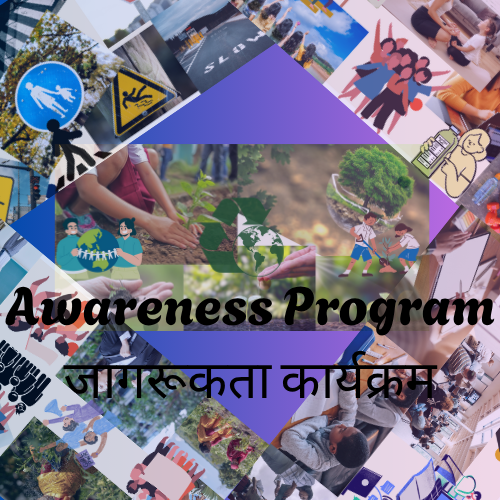
Awareness programs are targeted efforts aimed at educating and engaging the public on important social, health, environmental, and safety concerns. These initiatives are designed to foster understanding, inspire responsible behavior, and encourage active participation from individuals and communities.
Key Objectives of Awareness Programs:
Enhance public understanding of crucial topics such as health, sanitation, education, and safety.
Enable individuals to make informed, responsible, and positive life choices.
Promote community engagement and a sense of social responsibility.
Align with and reinforce national campaigns like Swachh Bharat Abhiyan, Digital India, and Road Safety Week.
Various Awareness Programs
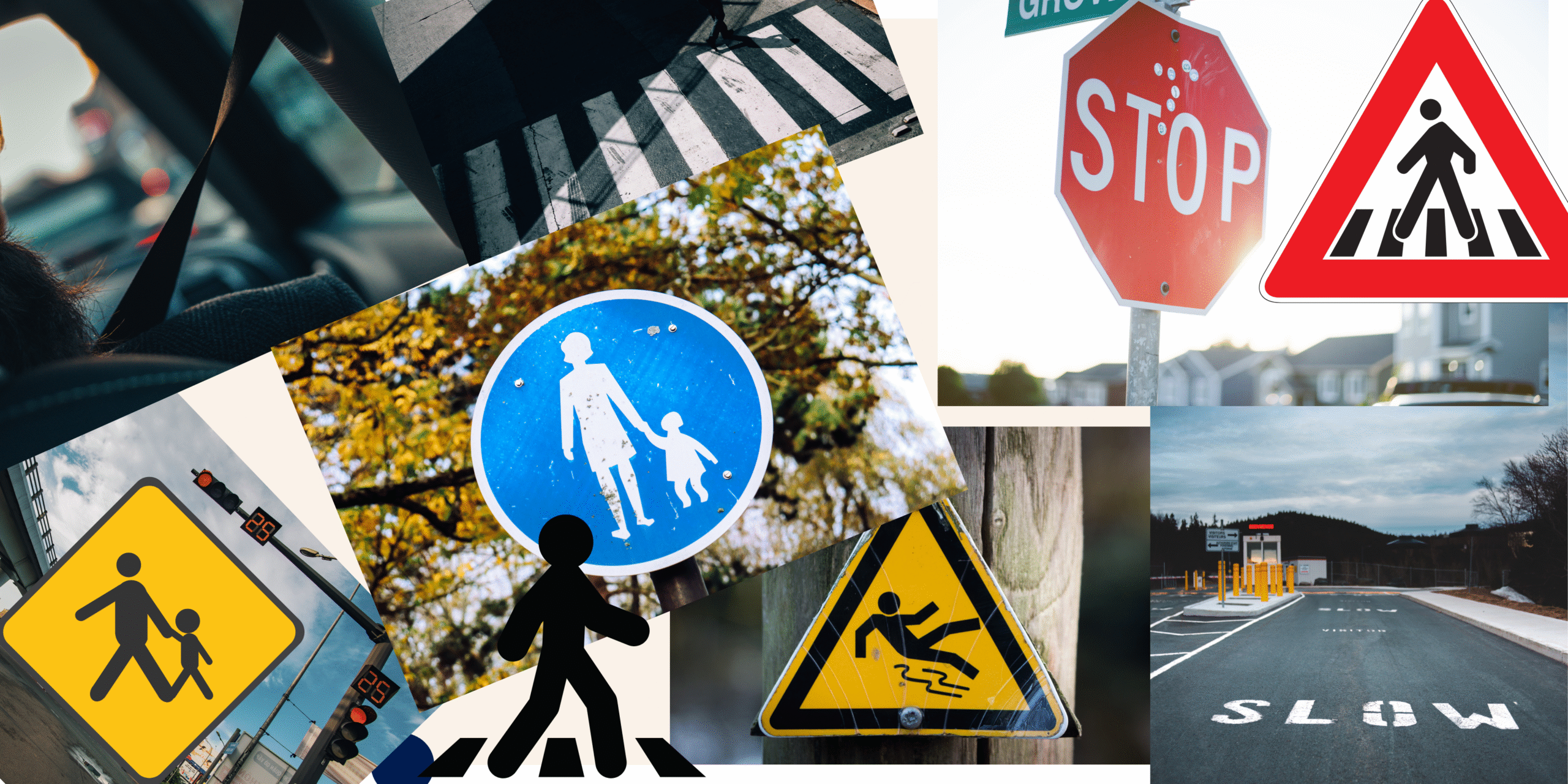
Road Safety
Promote knowledge of traffic rules, signals, and safety gear.
Encourage behavioral change among road users.
Reduce the number of road accidents and fatalities.
Support national initiatives like National Road Safety Month and Vision Zero.
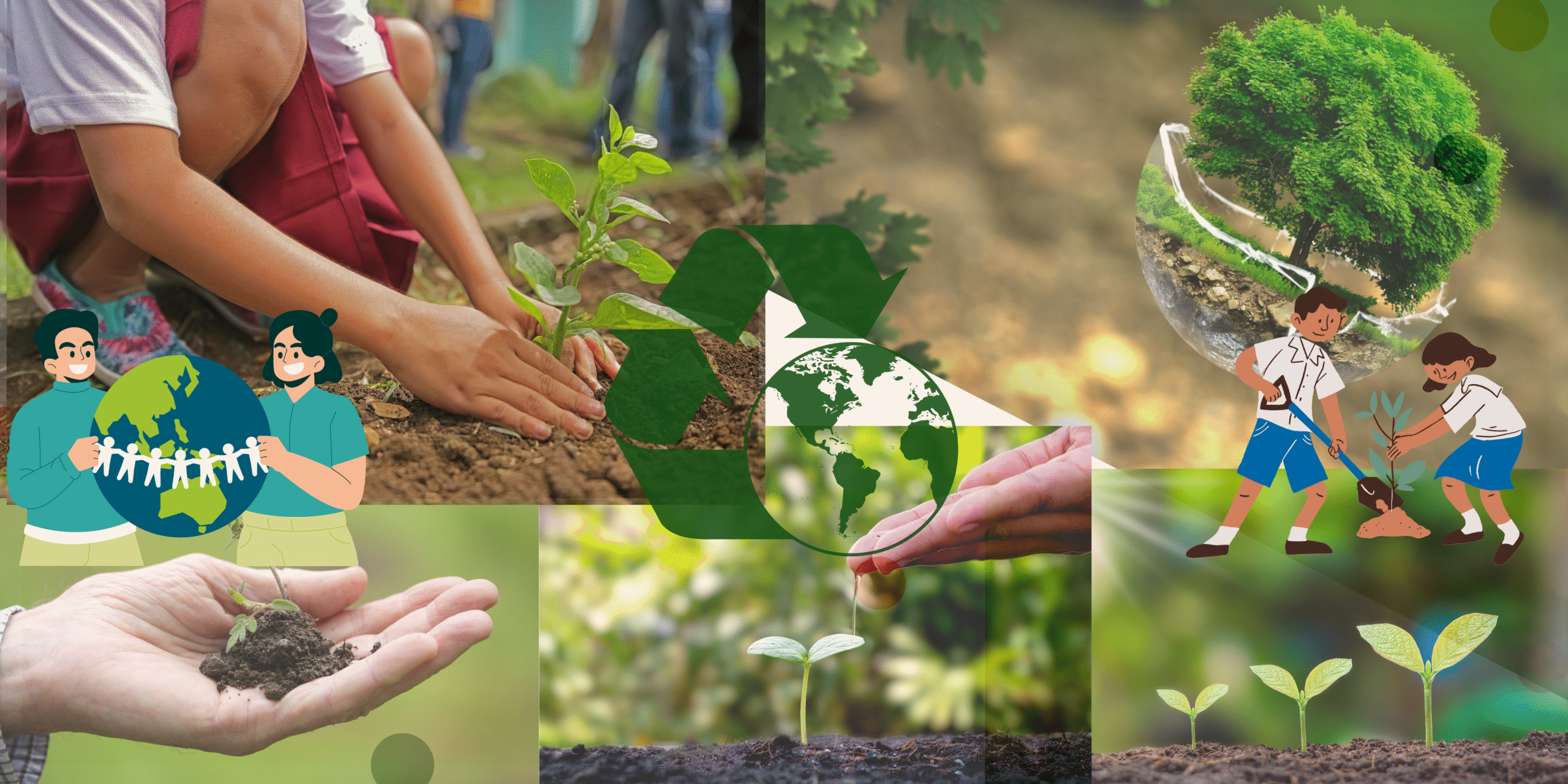
Environment Awareness
Encourages sustainable habits like using reusable products, conserving energy, and responsible waste disposal.
Educates citizens on reducing carbon footprint, supporting tree plantations, and adopting eco-friendly transportation.
Provides leadership opportunities for students and youth to become eco-champions and changemakers.
Promotes clean surroundings, air, and water, resulting in better public health and biodiversity protection.
Aligns with programs like Swachh Bharat Abhiyan, Mission LiFE (Lifestyle for Environment).
Women Health & Empowerment
Helps women understand their bodies and rights, enabling them to make informed health decisions.
Educates women about common health issues such as anemia, breast cancer, cervical cancer, and osteoporosis.
Healthier women lead to healthier families, improved child care, and stronger communities overall.
Encourages healthy eating, regular exercise, and personal hygiene practices for long-term wellness.
Digital Literacy
Bridge the digital divide in rural and urban poor communities.
Enable access to government schemes, online banking, and digital education.
Promote safe and responsible use of the internet and social media.
Youth Empowerment
Enhance leadership, communication, and life skills.
Increase access to education, vocational training, and employment.
Encourage civic responsibility and community participation.
Foster entrepreneurship and innovation among youth.